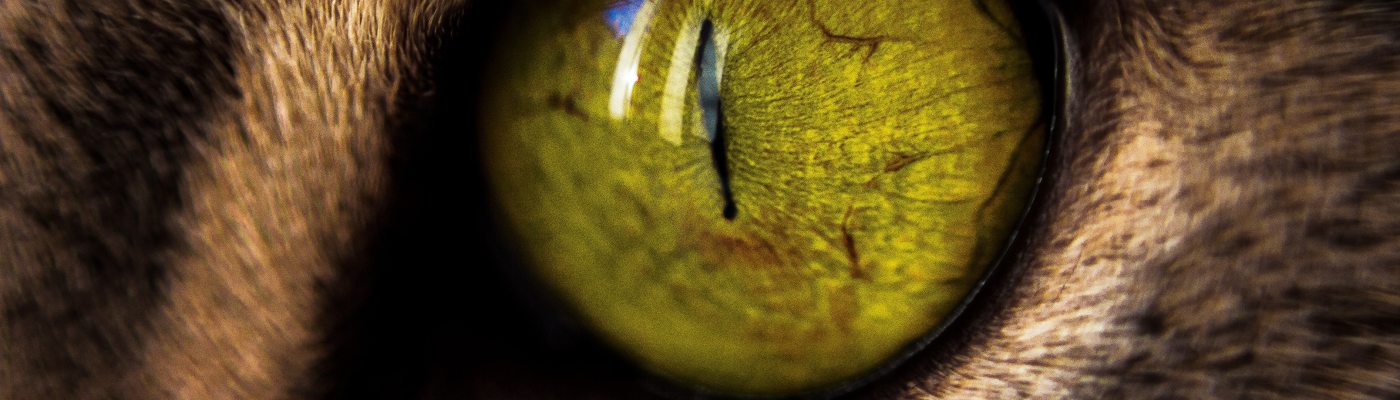
I had the excellent opportunity this past week to visit an old clinic of mine and work for a few days. To my great surprise clients remembered me and welcomed me back (even though it was only for a brief visit). It was a whirlwind few days, many new clients, many emergencies but we made it through! To my surprise I had quite a few ‘check eye’ appointments.
The eye is a delicate structure and when something is different they should not be ignored! The list of possible eye abnormalities can be very long so for this short post I want to mention some of the common place symptoms that indicate you should bring your pet to your vet:
#1 eyes should always be in their socket,……crazy right? but there are at least a few that need to be reminded of that,…. the story may be too graphic for this blog.
#2 Ideally we should see minimal eye discharge but some breeds due to their ‘designed’ facial structures end up having eye discharge despite healthy eyes. If discharge becomes yellow or green this is typically a sign of an infection.
#3 The lens, this is where light filters through and is directed towards the retina. The lens should be clear. Aging (lenticular/nuclear sclerosis) and disease (cataracts) can cause changes to the lens and thus decreasing vision. Lenticular sclerosis usually will occur in animals over 6-8 years and happens in both eyes, meanwhile cataracts can form in just one or both eyes *it is believed that only super advanced nuclear sclerosis will cause significant vision loss. **Lens luxation is also a possible problem (this is when the lens, which is normally secured within the iris slips out into the space in front or behind)
#4 Globe positioning aka where there eye is. Certain conditions like vestibular disease can cause the eye balls to rotate back and forth uncontrollably (this is also why these pets typically have a head tilt, stumble and are nauseous). Cranial nerves are present to control where the eyeball points when at rest. If your pet is having any issues like this, it would be best to have them checked out.
#5 Blinking/winking. Not always flirting, this can be a sign of pain/discomfort. Now obviously your pet is going to blink, I’m talking more of the constant blinking or holding the eyelids closed or more closed than usual. This can also appear as rubbing their face on the rug or furniture or pawing at their eyes/face.
#6 Nice and white- we want the sclera, the area around the iris and pupil to be nice and white, redness indicates inflammation, yellow may indicate liver disease.
#7 Cornea- That area where you place your contact lens. It should be clear. Some dogs who have issues with insufficient tear production, I’m looking at you pugs and other squish faces, can develop a condition called KCS (Keratoconjunctivitis sicca) which causes scarring and plaque formations on the normally clear cornea. The cornea is also the site for infections and traumatic incidences that cause ulcers. Ulcers are tricky beasts, while being treated they should be examined frequently to make sure they are healing. Further to this, if ulcers become too deep (melting ulcer) there is risk for the insides of the eyeball to leak out, no surprise this is NOT good and usually a poor prognosis for the eye remaining viable.
#8 Third eyelid???!! oh yea your pet has a third eyelid, this should normally not be seen. In some situations a gland within the eyelid can protrude causing issues this should be addressed surgically. This eyelid can also be inflamed like any other tissue so watch out!
#9 The retina, the structure at the back of the eye that receives light and generates images. Retinal detachment obvious limits this functioning. Traumatic events and high blood pressure are only some of the causes for retinal detachment leading to blindness. Pets with renal disease should be checked regularly to make sure their blood pressure is kept in check.
In summary there are many pieces to the eye, all of them with important roles to play. If your pet shows any signs or symptoms of discomfort take them to the vet. Early intervention (as always the case) provides better outcomes and saves money.
 PET Pulse