A summer inspired post!
Here in Canada, more specifically where I’m writing from (Ontario) we have what is called heart worm season. Now heart worm is an entirely different beast but what I’m going to write about today is the other two monsters lurking. Leptospirosis and Borrelia burgdorferi (lyme disease) both of which come up in conversation during the same time.
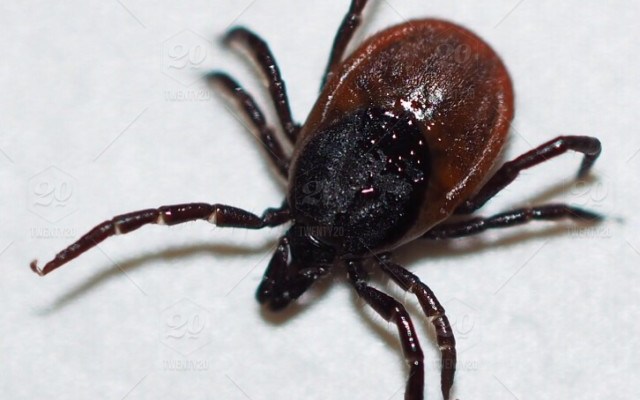
Lyme disease has been getting a lot of press recently and for good reason, it is notoriously hard to diagnose and very very difficult to treat. Lyme disease is transferred by ticks when they feed (suck blood from the host). Ticks will come out when the temperature exceeds 4 degrees C, they climb to the top of grass or vegetation waving antenna and legs waiting to grab onto a passing warm body to feed. There are varying reports are to how long a tick must feed before it transfers the bacteria but the important thing is to make sure they get off as quickly as possible (Keeping them off or removing them with a tick twister!). This isn’t to say that ANY tick bite will carry Lyme disease there are many different types of ticks, only Ixodes Scapularis or black legged (deer) tick will carry it and further not every deer tick will be carrying it. Once a pet is infected it can clinically* manifest itself in two main ways: poly arthritis and/or lyme nephrosis put simply the joints and legs hurt and kidneys begin to fail. We have a few strategies to deal with this, first consider using flea and tick prevention, this in general is presented in two formats topical or oral, I’m a huge fan the chewable tablets Nexgard and Bravecto. Second is the use of the lyme vaccine, an annual vaccine that protects against lyme disease. No medicine, vaccine or product is ever 100% so for animals at high risk I often recommend owners consider using both the vaccine and tick prevention products. High risk pets are those that live or spend a lot of time in wooded grassy areas. Lastly having your pets tested annually to screen for infections, this allows for us to treat infections as early as possible.** An interesting thought is the consideration that pets can easily become a carrier for ticks into the home and owners can then become infected.
Leptospirosis (infection by leptospira), a spiral shaped bacteria that we find in contaminated water sources. There are over 8 different ‘types’ of leptospira all of which have their own animal hosts. The infection mainly affects the kidneys and can cause a sudden and dramatic kidney failure. Raccoons, skunks and other rodents will harbor the bacteria in their kidneys and as they urinate will spread the bacteria. The bacteria live in high moisture environments and are thought to survive weeks to months in the water and soil. The bacteria can infect through ingestion of contaminated water or even through skin contact! Probably scariest of all is that it also a disease the owners can get, so if you had a pet early stage of infection who was urinating and you somehow got traces of that urine on you (ew) you could potentially get infected! The main method is prevention through vaccination. The leptospira vaccine is not fool proof and does not always cover every single variety but it is the best weapon we have against this nasty little bug.
As we take time to enjoy the great outdoors so do many other creatures great and small. We should take time to consider the risks and the ways we can minimize those risks (eg tick prevention, vaccinations)
Take Aways:
- If your pet goes camping cottaging or is near water rivers and streams and there is a lot of wildlife nearby strongly consider the leptospira vaccine
- Use tick prevention, regardless of your perceived risk!
- if you live in a tick paradise (heavily wooded/tall grasses etc) consider adding the lyme vaccine to your pets annual vaccination protocol
- Both Lyme and Lepto are diseases that are also of concern for owners. Lyme, we don’t get directly from our pets but they can bring in the ticks that carry it. Lepto is a concern because if our animals are infected their urine could potentially pose a risk to our health!
*Not all animals will become clinical, I’m not sure how important this fact is because statistics don’t mean much when it’s your own pet that is sick
**lyme disease does not seem to be an issue for cats although it is worth to make mention that outdoor cats can bring in ticks. While vaccine and testing is not considered useful, prevention should be used in cats who go outdoors.
 PET Pulse